
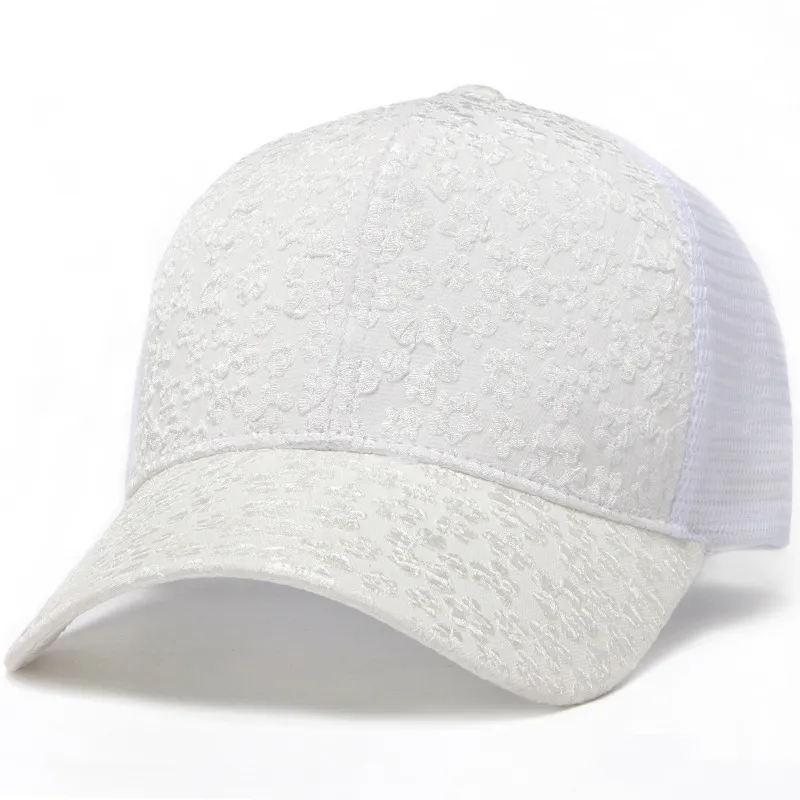


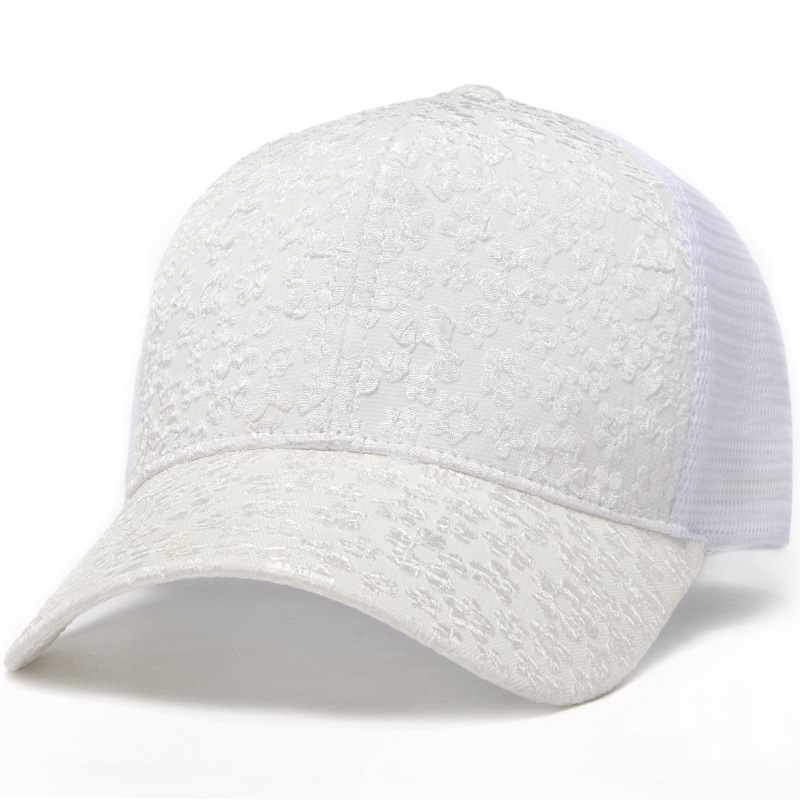
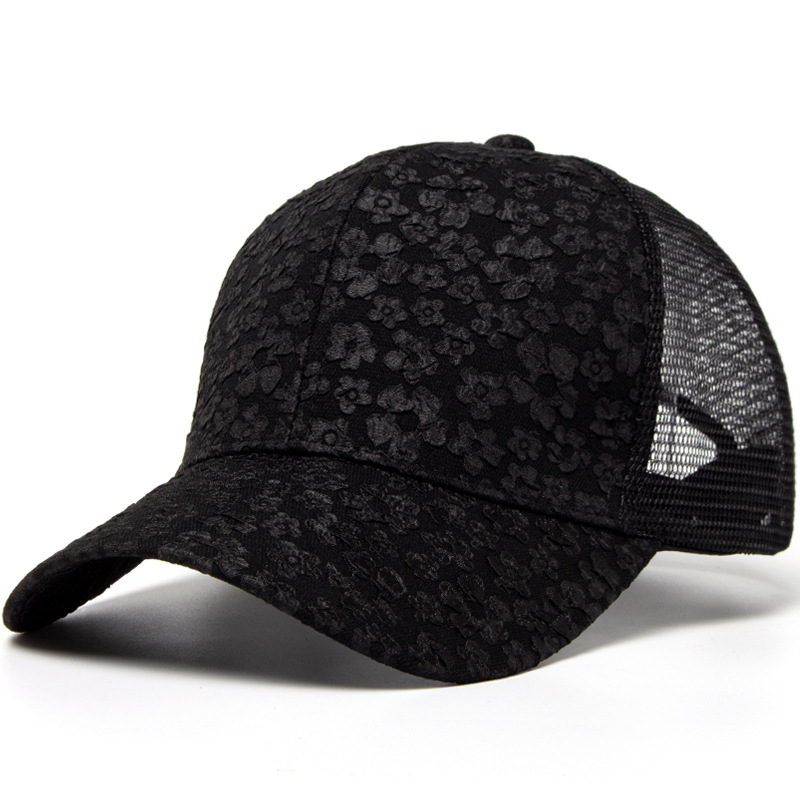
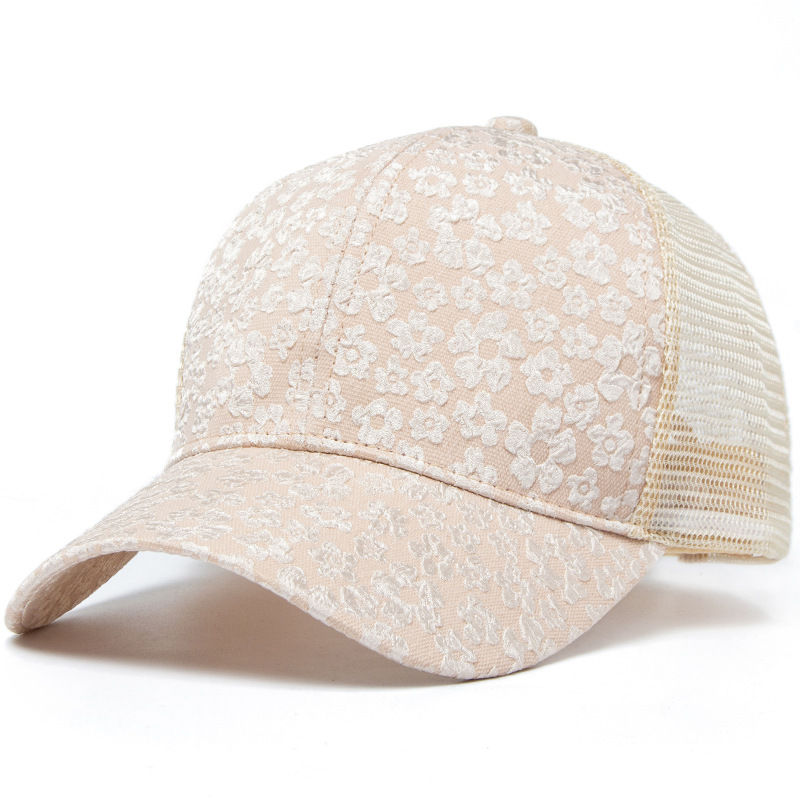

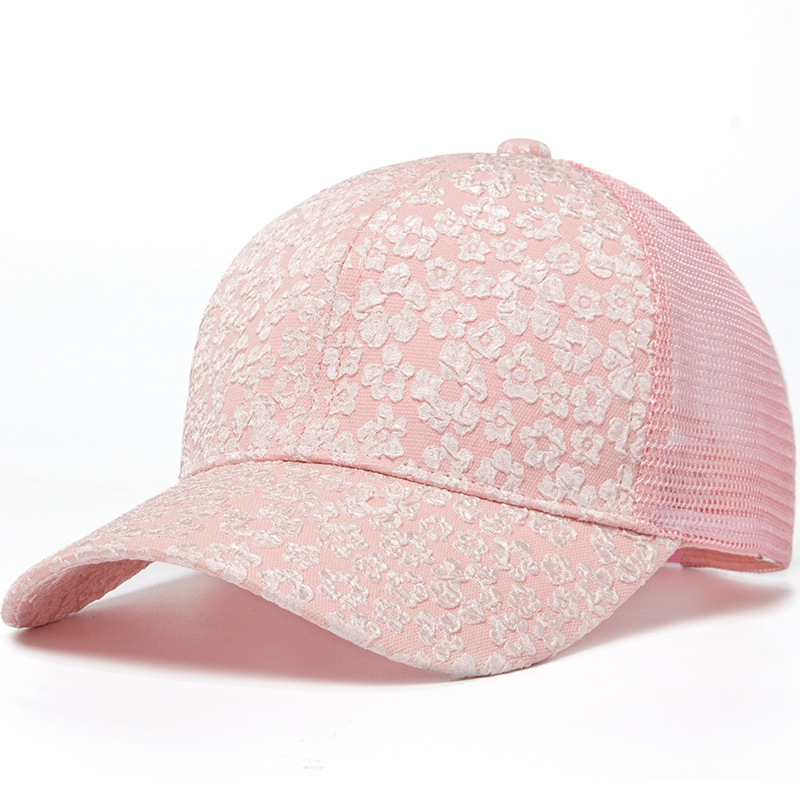
| Item | Value |
| Panel Style | 6-Panel Hat |
| Material | 65% Acrylic |
| Head Circumference | Adjustable |
| Place of Origin | China |
| Printing Methods | Other |
| Technics | Machine Embroidery |
| Style | Sporty |
| Pattern Type | Others |
| Applicable Season | Spring and Summer |
| Fabric Type | Mesh |
| Applicable Scene | CASUAL |
| Logo Position | Front Panel |
| Back Closure | Other |
| Decoration | None |
| Brand Name | |
| Fabric Feature | COMMON |
| Gender | Unisex |
| Age Group | Adults |
| Needle Detection | Yes |
| Seamless Fusing | YES |
I. Comprehensive Service Capabilities
1. One-Stop Solutions
By integrating upstream and downstream resources, we provide end-to-end services—from product consultation and procurement execution to logistics and distribution—significantly reducing clients' communication and time costs. Our diversified product line caters to various needs, including bulk purchasing and small-order customization.
2. Standardized Professional Services
A dedicated team handles quality inspections, factory audits, documentation, and other key processes, ensuring standardized workflows for efficient order execution and risk management. We specialize in handling complex cross-border transactions, including customs clearance, tax refunds, and international payments.
II. Resource Integration Advantages
1. Extensive Supplier Network
Strategic partnerships with multiple high-quality factories enable a dynamic backup mechanism, allowing flexible supplier switching to ensure stable supply and consistent product quality.
2. Market Intelligence Sharing
Through data-driven analysis of global trade trends, we identify high-growth markets and emerging product categories, helping clients optimize procurement strategies. For example, our trade data analytics tools forecast demand in emerging sectors like green energy and AI equipment.
III. Market Responsiveness
3. Agile Supply Chain Management
With our in-house warehousing system, we maintain ready stock, reducing lead times by 30%-50% compared to traditional "order-to-production" models. This approach is particularly efficient for small-batch, multi-order scenarios.


